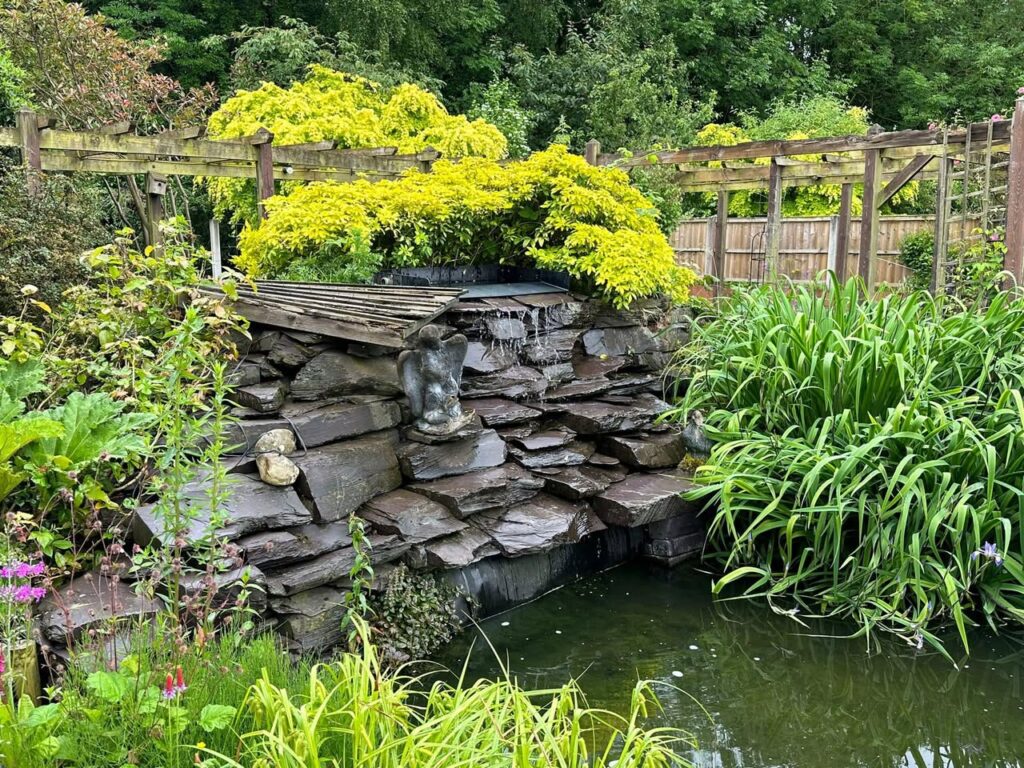
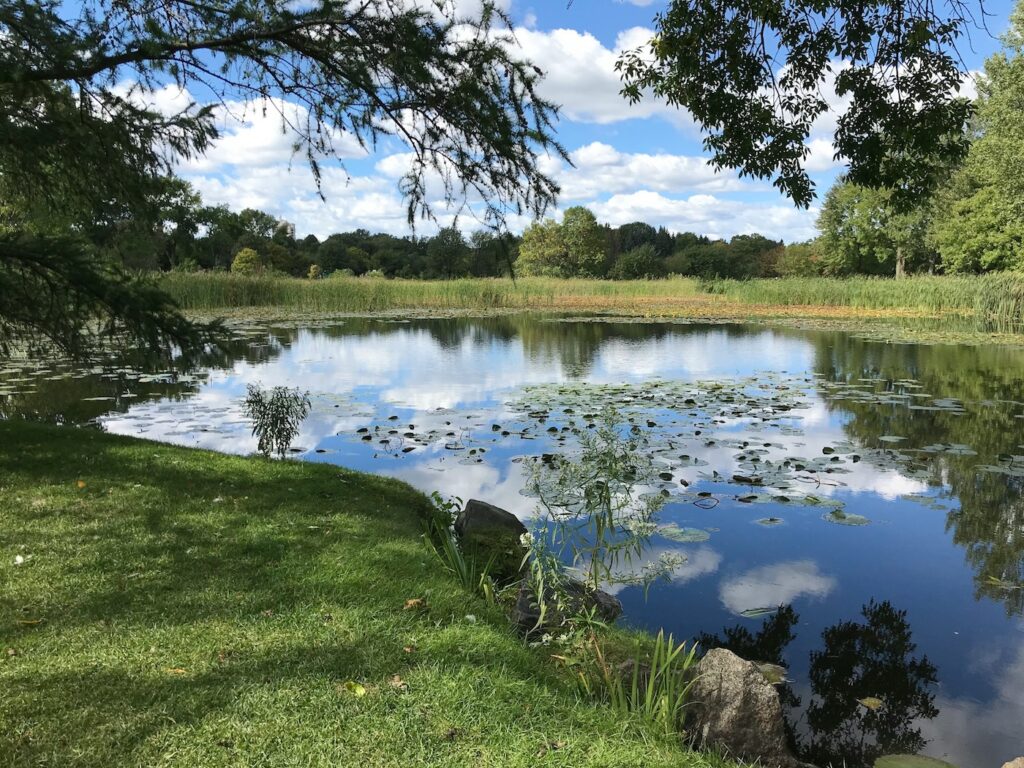
Earthworks are at the heart of crafting beautiful, functional water features. Far from simply digging a hole, thoughtful earth shaping allows for the creation of ponds, lakes, and streams that feel like natural extensions of the landscape.
Topography
The process begins with an understanding of the site’s topography, drainage patterns, and soil structure. Skilled contractors use this information to sculpt the land in a way that supports the desired size, depth, and flow of the water feature. Gentle gradients, curved banks, and varied depths not only look more organic but also support a range of aquatic life and prevent stagnant water.
Visual Transition
Designing subtle shelves into the pond’s edge allows for planting zones, which soften the visual transition between water and land while helping to filter runoff. Mounding earth strategically around one side of a pond can create a natural amphitheatre effect, or screen unwanted views while framing others.
Infrastructure
Earthworks also provide the chance to integrate practical infrastructure discreetly – such as overflow channels, inlet structures, and reed beds – without compromising aesthetics. When done well, these features appear effortless and blend into the wider environment.
Reduce Waste
By using the land’s own materials wherever possible, earthworks reduce the need for imported materials and minimise environmental disruption. The result is a durable, striking water feature that improves both the ecological and visual quality of the site.