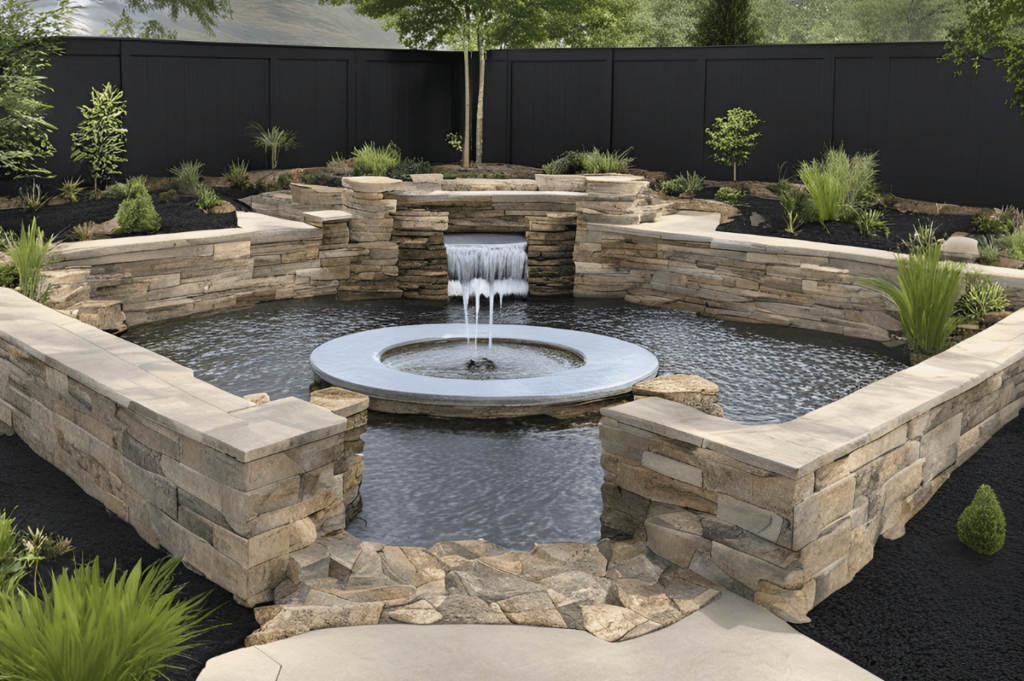
There are lots of reasons to have a pond, and you really have to consider many factors when you choose to have one. Large vs small ponds – how do you decide what is right for you?
Seek Advice
A consultation with a specialist like SKR Services can help assess soil type, water availability, and intended use, ensuring the pond size matches both your vision and practical needs.
Planning a Small Pond
Small ponds are ideal for gardens, courtyards, and smaller estates. They require less excavation, lower upfront costs, and simpler maintenance. A compact water feature can still provide significant benefits: attracting wildlife, creating a focal point in a landscape design, or serving as a decorative element near a home. With careful planting and subtle design features, even a small pond can feel rich in character.
Big Pond Strategy
Large ponds, by contrast, offer far greater scope. They can be designed for fisheries, boating, or larger wildlife habitats. A bigger body of water tends to be more resilient, with a more stable ecosystem and reduced risk of issues like temperature fluctuations or oxygen crashes. Large ponds also give more freedom in shaping the landscape, adding islands, shelves, or deeper zones for specific purposes.
The trade-off is cost and responsibility. Larger ponds require professional planning, heavy machinery, and ongoing management to prevent problems like silt build-up or invasive weed spread.