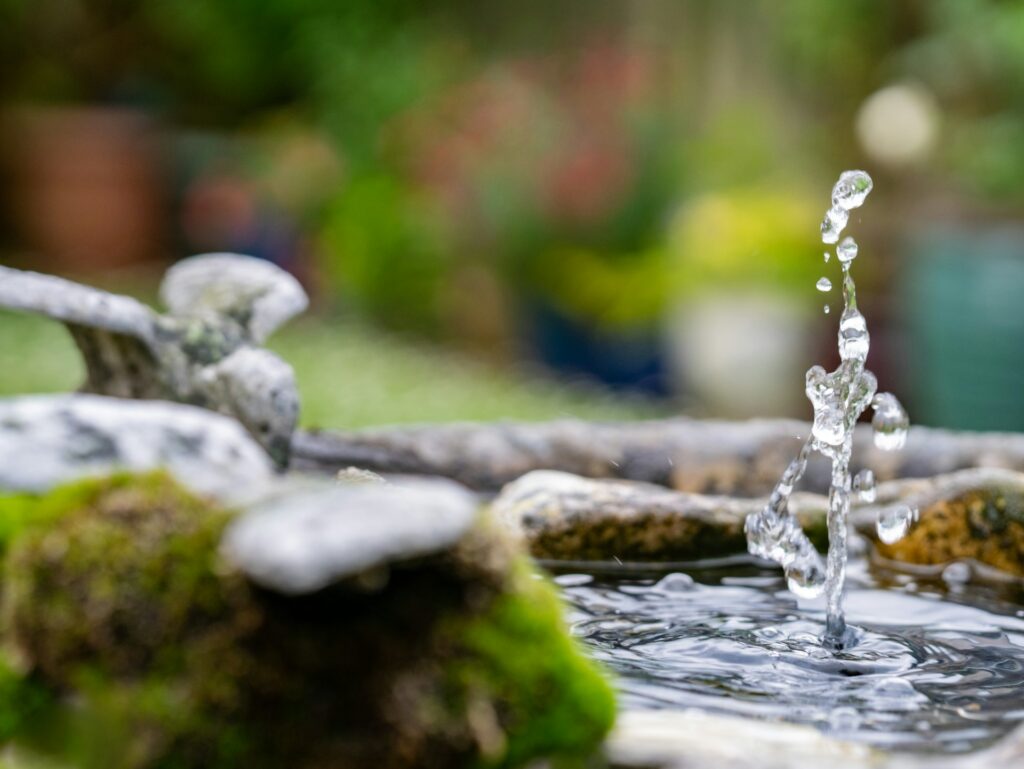
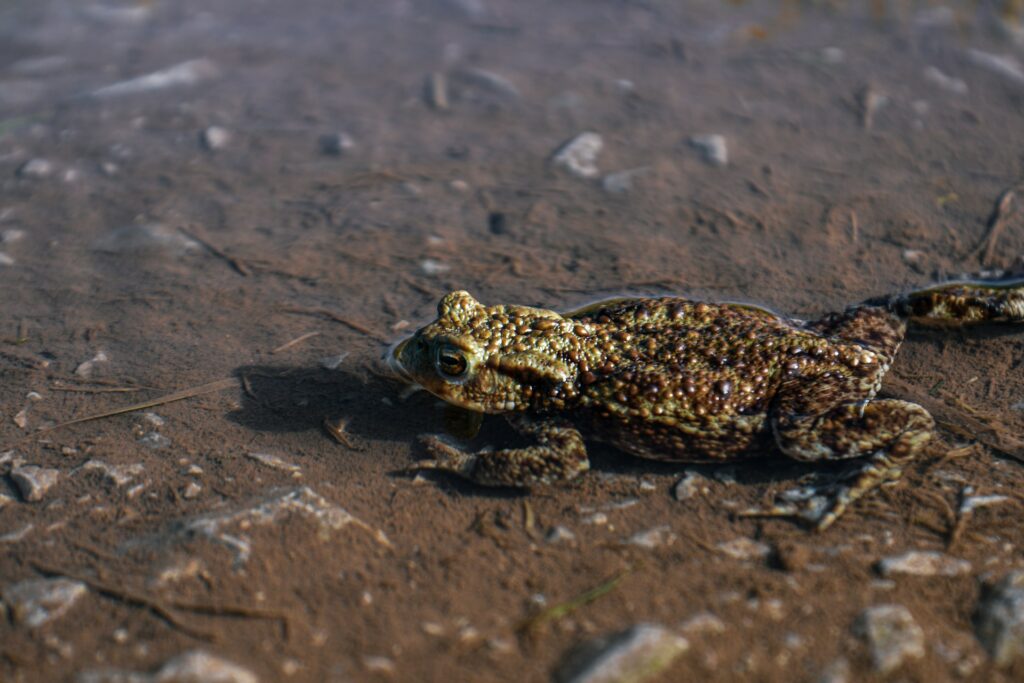
Artisan water features are often associated with craftsmanship, materials, and visual impact, but they can also be designed to support wildlife-friendly habitats without losing their character. With careful planning, hand-crafted ponds, basins, and watercourses can provide valuable habitats while remaining refined and intentional in appearance.
Designing with Access and Safety in Mind
Wildlife-friendly features start with gentle transitions. Sloped edges, shallow shelves, or discreet stone steps allow birds, insects, and small mammals to access water safely. In artisan designs, these elements can be subtly integrated using natural stone or textured finishes, maintaining a crafted look while avoiding sheer edges that trap wildlife.
Balancing Materials and Ecology
Traditional materials such as stone, clay, and untreated timber sit comfortably within natural ecosystems. Avoiding harsh chemical sealants and opting for wildlife-safe liners and finishes helps create a healthier environment. Even in sculptural features, rougher surfaces and varied textures encourage algae, insects, and microorganisms that form the base of a healthy habitat.
Water Movement and Planting Choices
Slow-moving water is more inviting to wildlife than strong jets or constant turbulence. Gentle overflows, rills, or shallow circulation channels provide sound and movement without disruption. Marginal planting can be carefully framed or contained to suit the design, offering shelter and breeding areas while keeping the feature visually composed.
Contact us to discuss your pond and water feature options.