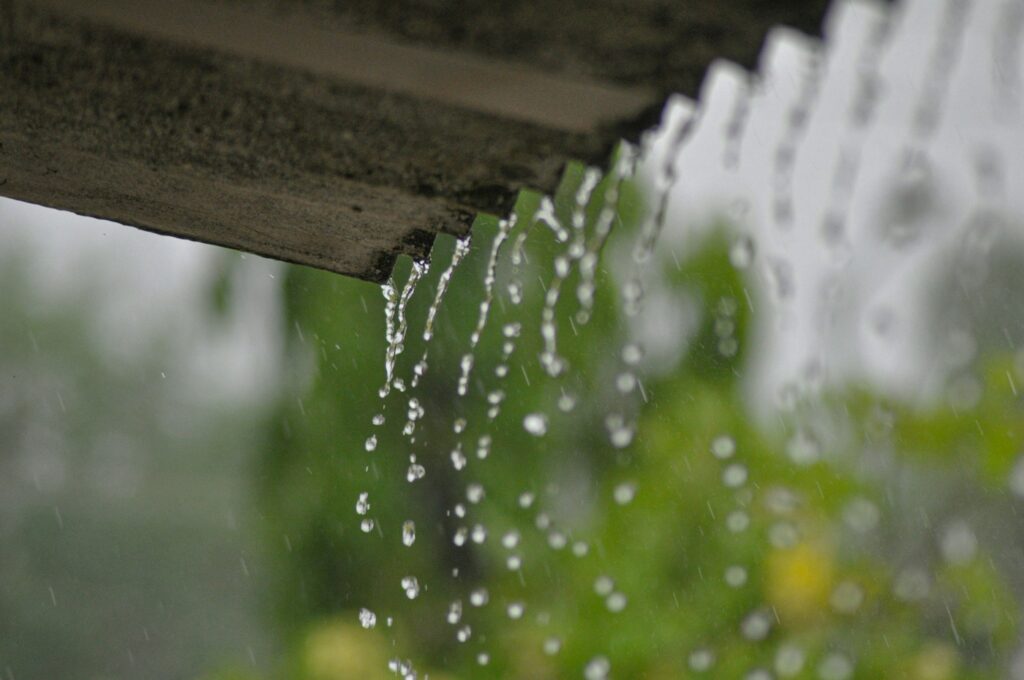
Artificial lakes are not only attractive features in the landscape; they can also play a practical role in managing water. When designed thoughtfully, a lake can act as a buffer for heavy rainfall, easing the pressure on drainage systems and helping to protect nearby properties from flooding risks.
Storing Excess Rainfall
During storms or prolonged wet weather, runoff from roofs, roads and fields can overwhelm streams and drains. A lake with enough capacity can temporarily hold this excess water, releasing it slowly once peak flows have passed. This approach is called “attenuation” and mimics the way natural wetlands work, smoothing out sudden surges and reducing flash floods downstream.
Slowing and Filtering Flows
Lakes connected to swales, ditches or constructed wetlands help slow water before it reaches rivers. Sediment and pollutants settle out as the water moves through, improving quality as well as reducing volume. Planting around the margins with reeds or grasses adds another layer of filtration while stabilising banks against erosion.
Integrating with Local Planning
For new developments or large estates, incorporating a lake into the drainage strategy can be more sustainable than relying solely on underground pipes. It provides a visible amenity, supports wildlife, and gives an emergency overflow area during extreme weather. The key is professional design so the basin size, depth and outflow controls match the catchment area and climate.