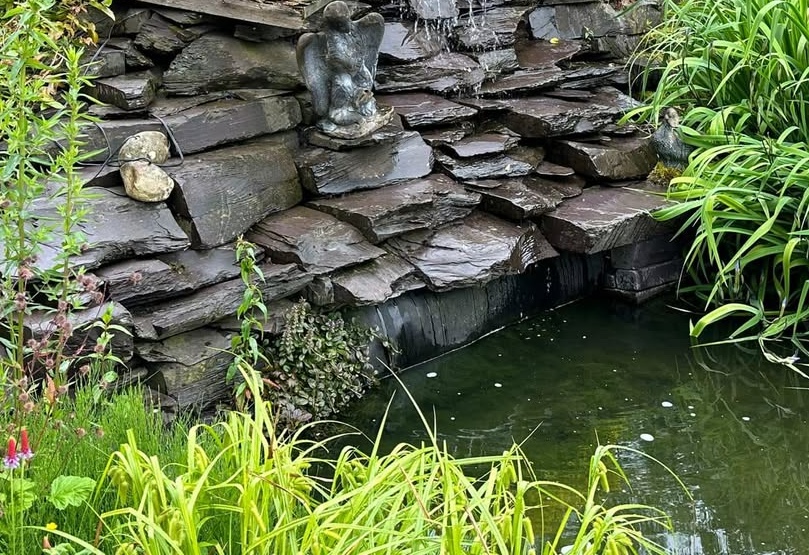
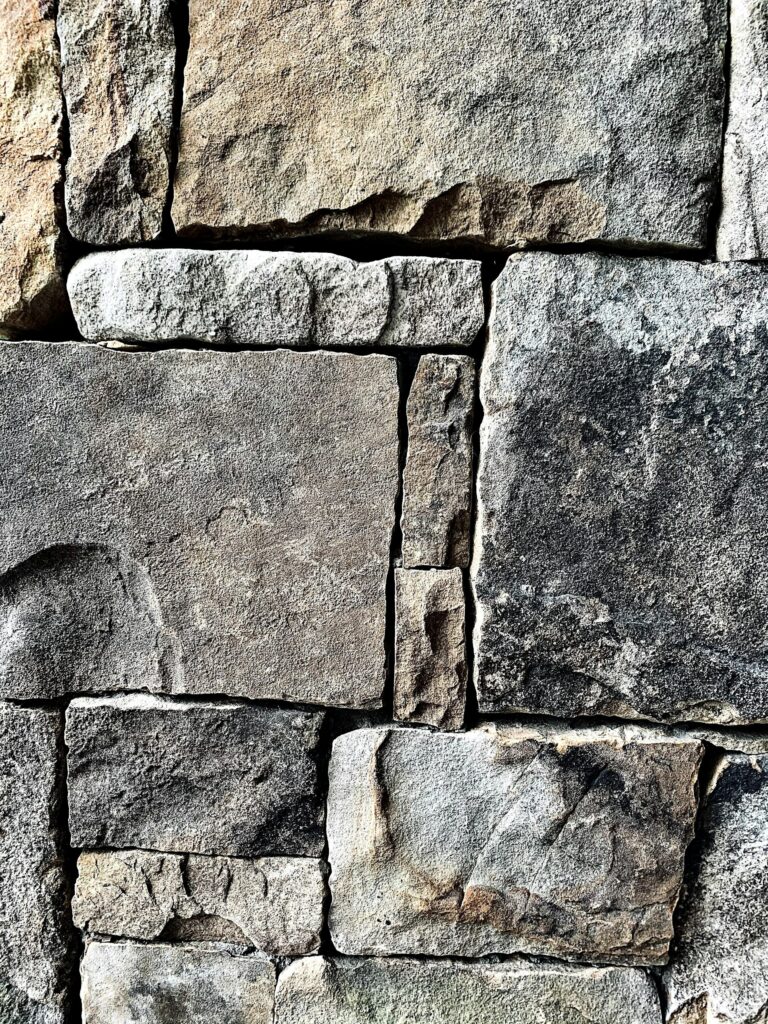
Reclaimed materials bring character and depth to fountain design that new materials often can’t replicate. Weathered stone and aged brick carry marks of time and use, giving water features a sense of history and authenticity. When thoughtfully integrated, reclaimed elements can sit comfortably in both traditional and contemporary landscapes.
Choosing Materials with Purpose
Not all reclaimed materials are suitable for constant contact with water. Dense stone, engineering brick, and certain metals age well and remain structurally sound when wet. Before incorporation, materials should be assessed for stability and treated where necessary to prevent excessive erosion or staining. The goal is to celebrate patina without compromising longevity.
Blending Old and New Techniques
While the surface materials may be reclaimed, the hidden mechanics should be modern. Pumps, liners, and filtration systems can be discreetly installed behind historic stonework or salvaged features, ensuring reliability without disrupting the aesthetic. This combination allows fountains to look established while performing efficiently and safely.
Creating Meaningful Focal Points
Reclaimed materials often come with a story. Thoughtful placement and proportion are key; the water should enhance the material, not overwhelm it. Simple flow patterns allow texture and craftsmanship to remain the focus.
Using reclaimed materials isn’t just a sustainable choice, it’s a design decision that adds depth, individuality, and quiet richness to a fountain. When handled with care, the result feels timeless rather than recycled, rooted in place rather than imposed upon it.
Contact us to discuss your water feature needs.