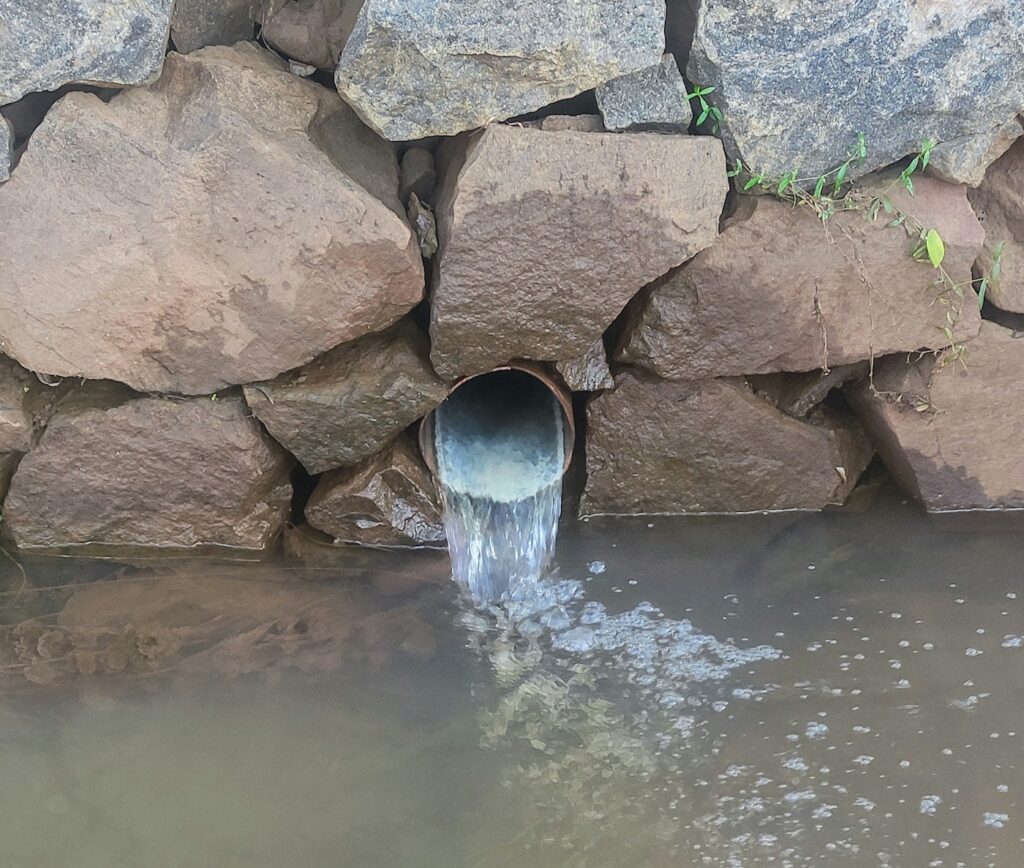
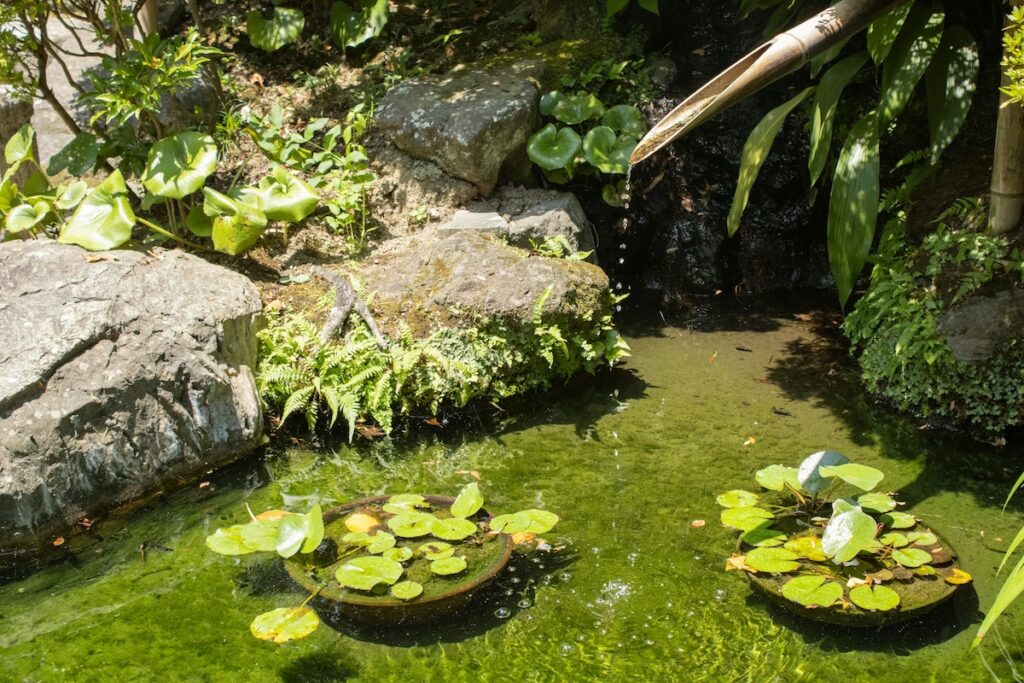
The hidden parts of a pond, the inlets and outlets, are often the reason it either thrives for decades or fails within a few seasons. Good circulation keeps water fresh, prevents stagnation, and maintains oxygen levels for plants and fish.
Flow
A well-designed pond has a natural flow pattern. The inlet (where water enters) and outlet (where it exits) should be placed to encourage gentle movement throughout the basin. Poor positioning can lead to dead zones where silt and algae accumulate.
Choosing the Right Components
Pipes, filters, and valves need to match the pond’s size and use. Oversized fittings waste energy; undersized ones clog easily. For gravity-fed systems, ensure there’s a steady fall between inlet and outlet to avoid backflow.
Maintenance and Inspection
Over time, plant roots, silt, and biofilm can reduce water flow. Regular cleaning, especially before winter, helps maintain efficiency. Consider installing inspection chambers or accessible grilles for easy upkeep.
Inlets and outlets might not be decorative, but they are the quiet guardians of pond health, keeping water balanced and life below the surface thriving.